
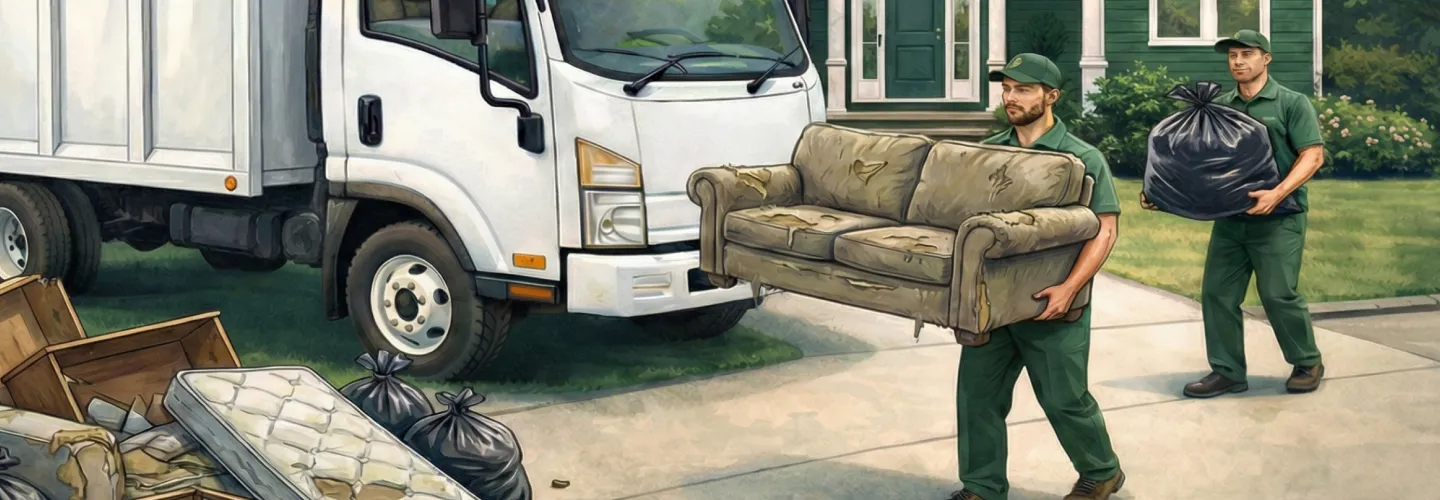
Peachtree Corners Hoarding Cleanup Services
Choose us for hoarding cleanup because we combine empathy, professionalism, and proven methods to restore safe, healthy living spaces—helping you or your loved ones reclaim comfort and peace of mind.
Get a Free QuoteOur Peachtree Corners Junk Removal Services
Hoarding Cleanup in Peachtree Corners, GA – Local Service Guide
Hoarding cleanup in Peachtree Corners, GA, requires a sensitive, thorough approach tailored to the unique needs of local residents and businesses. In neighborhoods like Amberfield and Riverfield, residential hoarding often involves large items—furniture, mattresses, appliances, and electronics—typically addressed during seasonal cleanouts, estate transitions, or after major life events. Local disposal options include donation centers and recycling facilities, but access and weather (especially during spring storms) can impact logistics. For residential spaces such as garages, basements, and yards, cleanup is often prompted by flooding in low-lying areas or heavy tree coverage, with city trash pickup schedules and yard waste cycles influencing timing. Commercial properties in The Forum or Technology Park face industry-specific challenges, such as discreet, after-hours service for offices or retail, and managing higher volumes in warehouses or medical facilities. Specialty cleanups—like foreclosures, estate situations, or construction debris—require careful planning, coordination with property managers, and adherence to local regulations. For guidance on local rules and disposal resources, visit the Peachtree Corners Public Works Department.
Key Considerations for Hoarding Cleanup in Peachtree Corners
- Timing cleanouts around seasonal weather and city pickup schedules
- Securing necessary permits for large-scale or specialty removals
- Using approved disposal and recycling channels
- Ensuring property access for large trucks and equipment
- Accurately estimating volume and category-specific items
- Coordinating with local authorities and property managers
Benefits of Hoarding Cleanup in Peachtree Corners
Compassionate and Discreet Service
Certified Cleanup Professionals
Fast and Reliable Response
Thorough Sanitization and Odor Removal
Customized Cleanup Plans
Safe Disposal of Hazardous Materials
Coordinating Hoarding Cleanup with Peachtree Corners Code Enforcement and Property Standards
Hoarding situations in Peachtree Corners frequently involve municipal code violations related to property maintenance, structural safety, and sanitation. The city's Code Enforcement division investigates complaints regarding accumulated debris, obstructed egress points, and exterior property conditions that violate local ordinances. Residents and property owners should understand the following compliance requirements:
- Property maintenance violations may be issued when accumulated materials create visible exterior blight, pest harborage, or fire hazards
- Egress obstruction in hallways, stairwells, and doorways violates fire safety codes enforced through Gwinnett County Fire Services
- Structural load concerns arise when excessive weight from hoarded materials compromises floor integrity, potentially requiring building inspection
- Exterior accumulation of items in yards, driveways, or porches may trigger neighborhood preservation enforcement actions
- Complaint-driven investigations are initiated through the Code Enforcement division, which issues notices of violation with compliance deadlines
The City Marshal's Office provides additional ordinance enforcement support for properties requiring sustained compliance monitoring.
Peachtree Corners Code Enforcement
147 Technology Parkway, Suite 200, Peachtree Corners, GA 30092
Phone: (678) 691-1200
Official Website: Code Enforcement
Biohazard and Hazardous Material Disposal Requirements for Peachtree Corners Hoarding Cases
Hoarding environments frequently contain hazardous materials that require specialized handling under both Georgia and federal regulations. The Georgia Environmental Protection Division (GA EPD) oversees solid waste management and hazardous material disposal standards statewide. Common hazardous materials encountered during hoarding cleanup include:
- Biological waste such as animal waste, decomposed food, and bodily fluids must be handled using bloodborne pathogen protocols per OSHA Standard 29 CFR 1910.1030
- Expired chemicals including cleaning solvents, pesticides, paint, and automotive fluids are classified as household hazardous waste and are prohibited from regular solid waste disposal
- Sharps and medical waste such as needles and prescription medications require segregated disposal through approved medical waste handlers
- Mold-contaminated materials in moisture-damaged hoarding environments may require professional remediation before debris removal can proceed
- Lead paint debris in pre-1978 homes must follow EPA Lead-Safe Renovation Rule requirements, including certified contractor oversight
Gwinnett County periodically hosts Household Hazardous Waste Collection events where residents can dispose of paints, batteries, pesticides, and electronics at no charge. Contact Gwinnett County Solid Waste Management at (770) 822-7141 for upcoming event schedules and accepted materials.
Georgia Environmental Protection Division
2 Martin Luther King Jr. Drive SE, Suite 1456, Atlanta, GA 30334
Phone: (404) 656-4713
Official Website: Georgia Environmental Protection Division
Georgia Solid Waste Management Act Compliance for Hoarding Debris Disposal
All hoarding cleanup operations in Peachtree Corners must comply with the Georgia Comprehensive Solid Waste Management Act (O.C.G.A. § 12-8-20) which establishes statewide standards for waste collection, transportation, and disposal. Key regulatory requirements affecting hoarding cleanup include:
- Licensed haulers are required for commercial transport of solid waste to permitted disposal facilities in Georgia
- Waste segregation is expected for recyclable metals, electronics, and appliances, which should be diverted from landfill disposal where feasible
- Appliances containing refrigerants (refrigerators, air conditioners, dehumidifiers) require certified refrigerant recovery per EPA Section 608 regulations before disposal
- Electronics including televisions, computer monitors, and peripherals should be directed to certified e-waste recyclers, as responsible disposal prevents heavy metals from entering landfills
- Tires accumulated in hoarding situations must be transported to permitted tire processors; Georgia prohibits whole tire disposal in landfills
Peachtree Corners is located within Gwinnett County, which operates solid waste transfer and disposal infrastructure. Haulers removing hoarding debris must transport materials to permitted facilities and maintain proper manifests documenting waste volumes and disposal destinations.
Post-Cleanup Building Inspection and Permit Requirements in Peachtree Corners
Following hoarding cleanup, properties in Peachtree Corners may require building inspection and potential renovation permits, particularly when structural damage, plumbing failures, or electrical hazards are discovered beneath accumulated materials. The city's Building and Permitting Department administers construction permits and inspections for residential and commercial properties.
- Structural repairs to damaged flooring, walls, or load-bearing elements require building permits and licensed contractor work
- Plumbing and electrical repairs necessitated by long-term neglect or damage from hoarded materials require trade-specific permits and inspections
- Mold remediation following water damage discovery may require coordination with the Peachtree Corners Stormwater Management Program if exterior drainage contributed to moisture intrusion
- Demolition debris generated during renovation must be disposed of at permitted construction and demolition landfills
- Certificate of occupancy may need to be reissued if the property was deemed uninhabitable during code enforcement proceedings
Property owners should schedule a pre-renovation consultation with the Building and Permitting Department to determine which permits apply to their specific restoration scope.
Peachtree Corners Building and Permitting Department
147 Technology Parkway, Suite 200, Peachtree Corners, GA 30092
Phone: (678) 691-1200
Official Website: Building and Permitting
Recycling, Donation, and Material Recovery Options During Peachtree Corners Hoarding Cleanup
Hoarding cleanup projects in Peachtree Corners generate substantial volumes of material, much of which can be diverted from landfills through recycling and donation programs. Responsible material recovery reduces disposal costs and supports Georgia's waste diversion objectives. The following options are available for salvageable items:
- Furniture and household goods in usable condition can be donated to local organizations such as Habitat for Humanity ReStore locations in Gwinnett County, which accept furniture, appliances, and building materials
- Scrap metal including appliance frames, shelving, and metal furniture can be directed to licensed scrap processors for recycling
- Clothing and textiles may be donated to charitable organizations or directed to textile recycling facilities
- Paper, cardboard, and packaging should be separated and placed in curbside recycling where the property's waste hauler provides single-stream collection
- Electronics should be taken to certified e-waste recyclers; Gwinnett County offers periodic collection events for computers, televisions, and peripherals
Sorting materials on-site during hoarding cleanup is essential for maximizing diversion. Professional hoarding cleanup crews should establish separate staging areas for donations, recyclables, hazardous waste, and landfill-bound debris before transport begins.
Peachtree Corners Public Works Department
147 Technology Parkway, Suite 200, Peachtree Corners, GA 30092
Phone: (678) 691-1200
Official Website: Public Works Department
What Neighborhoods Do We Serve Throughout Peachtree Corners, GA?
- Technology Park: This major commercial and office corridor features multi-story buildings where hoarding situations in commercial suites may require coordination with property management for service elevator access and after-hours scheduling to minimize business disruption.
- Peachtree Station: A residential community with single-family homes built in the 1980s and 1990s. Pre-1978 construction is less common here, but aging HVAC systems and appliances frequently accumulate in hoarding scenarios, requiring refrigerant recovery before disposal.
- The Forum: Mixed-use area with retail and residential properties where hoarding cleanup logistics must account for shared parking, pedestrian traffic, and potential HOA notification requirements for debris staging and removal vehicle access.
- Spalding Chase: Established single-family neighborhood with mature tree canopy and cul-de-sac streets. Larger removal vehicles may face turning radius limitations, and overhead clearance should be verified before equipment positioning.
- Amberfield: A subdivision featuring homes with attached garages and basements that are common accumulation points in hoarding situations. Interior navigation through narrow hallways and stairwells requires advance assessment for safe material extraction.
- Neely Farm: Family-oriented community with homes dating to the late 1990s. Neighborhood covenants may restrict exterior debris staging duration, requiring efficient same-day removal coordination to maintain compliance with community standards.