
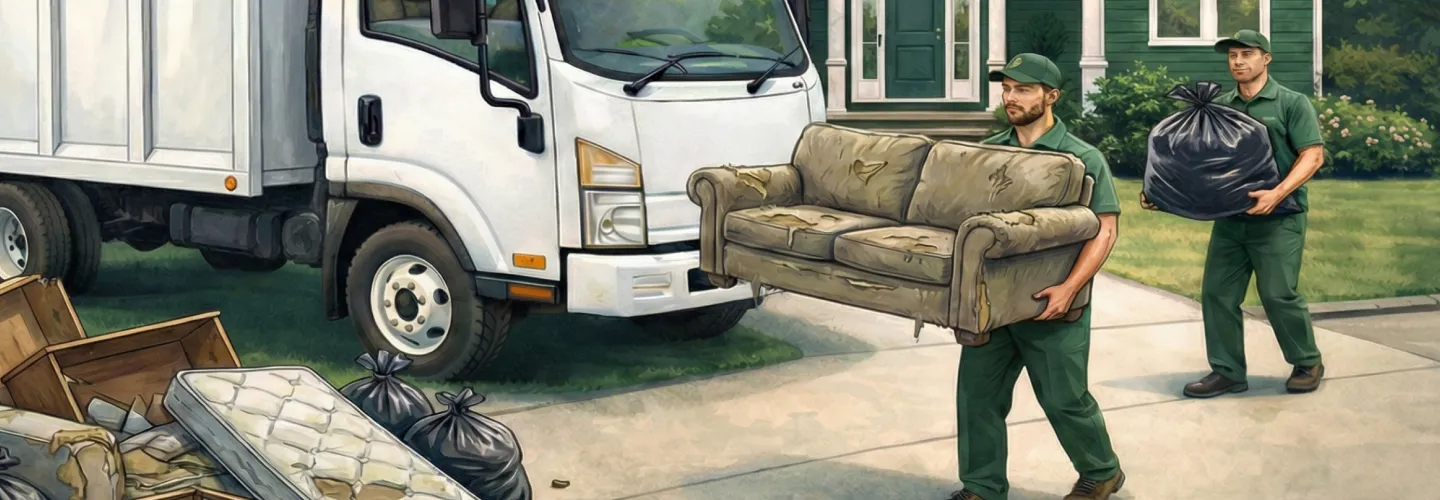
Peachtree Corners Foreclosure Clean Outs Services
Choose our Foreclosure Clean Outs for reliable, thorough service that restores your property’s value quickly and efficiently—so you can move forward with confidence.
Get a Free QuoteOur Peachtree Corners Junk Removal Services
Foreclosure Clean Outs in Peachtree Corners, GA – Local Service Guide
Foreclosure clean outs in Peachtree Corners, GA require a tailored approach due to the city’s diverse neighborhoods and property types. Whether you’re dealing with a single-family home in Amberfield, a townhome near Technology Park, or a commercial property along Peachtree Parkway, timing and logistics are crucial. For residential items like furniture, appliances, or hot tubs, clean outs often follow life events such as move-outs, estate transitions, or seasonal upgrades. Local scenarios may involve navigating narrow driveways or coordinating with HOA guidelines. Items can often be donated, recycled, or responsibly disposed of, depending on their condition and local regulations.
Residential spaces such as garages, basements, and yards may need attention after storms or during spring and fall cleanups, especially in flood-prone areas or properties with heavy tree coverage. Commercial clean outs in business districts like The Forum or Spalding Drive require discretion, efficient scheduling, and handling of larger volumes. Specialty services, including dumpster rentals or hoarding situations, demand careful planning and coordination with property managers and city officials. For guidance on local disposal rules and resources, visit the Peachtree Corners Public Works Department.
Key Considerations for Foreclosure Clean Outs in Peachtree Corners
- Timing clean outs to avoid peak weather or HOA restrictions
- Securing necessary permits for large-scale removals
- Using approved disposal and recycling channels
- Ensuring property access for trucks and crews
- Estimating volume for proper equipment and staffing
- Coordinating with local authorities for specialty or hazardous items
Benefits of Foreclosure Clean Outs in Peachtree Corners
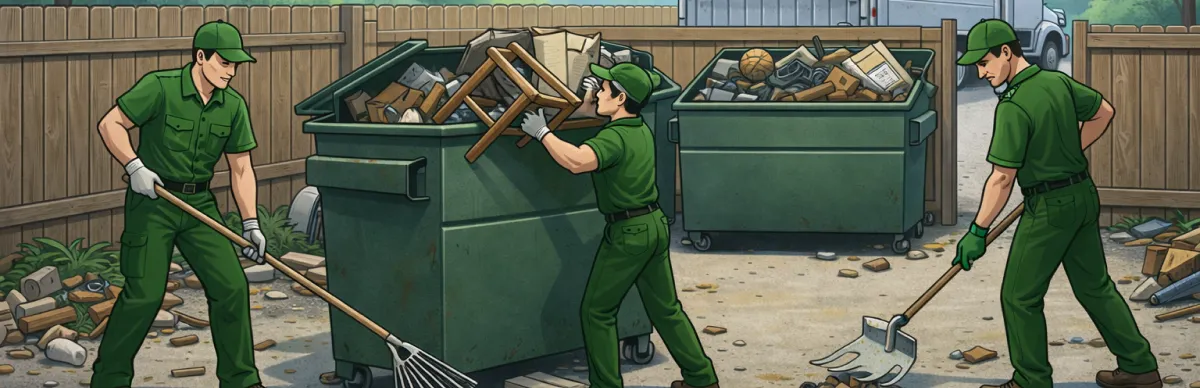
Fast Turnaround Times
Comprehensive Property Cleaning
Experienced Clean Out Professionals
Eco-Friendly Disposal Solutions
Flexible Scheduling Options
Competitive and Transparent Pricing
Coordinating Foreclosure Clean Outs with Peachtree Corners Code Enforcement and Property Standards
Foreclosure clean outs in Peachtree Corners require careful coordination with municipal authorities to ensure compliance with local property maintenance codes. When a property enters foreclosure, accumulated debris, abandoned furnishings, and deferred maintenance often create code violations that must be addressed before the property can be resold or reoccupied. The city's Code Enforcement division investigates complaints related to property deterioration, overgrown vegetation, and exterior debris accumulation on foreclosed properties.
- Property maintenance violations may include abandoned furniture, appliances left on porches or lawns, and unsecured waste materials
- Overgrown landscaping on foreclosed lots must be addressed per municipal ordinance; the city may issue citations if not remediated
- Exterior debris visible from the right-of-way can trigger enforcement action from the City Marshal
- Structural concerns such as broken windows or unsecured doors may require coordination with the Building Permitting department
Peachtree Corners Code Enforcement
147 Technology Parkway, Suite 200, Peachtree Corners, GA 30092
Phone: (678) 691-1200
Official Website: Code Enforcement
Property managers and lenders responsible for foreclosed homes should contact Code Enforcement early in the clean-out process to identify outstanding violations and establish a remediation timeline.
Peachtree Corners Building Permits and Access Requirements for Foreclosure Property Restoration
Foreclosure clean outs frequently involve more than simple debris removal. When interior demolition, fixture removal, or structural modifications are necessary to restore a foreclosed property, building permits may be required through the Peachtree Corners Community Development department. Permit requirements apply to work that alters plumbing, electrical systems, load-bearing walls, or roofing components discovered during the clean-out process.
- Demolition permits are required when removing built-in cabinetry, walls, or structural elements during property restoration
- Electrical and plumbing permits apply if outdated or damaged systems must be disconnected or replaced
- Right-of-way access for removal trucks parked on public streets should be coordinated with Public Works to avoid obstructing traffic or violating parking ordinances
- Pre-1978 properties may contain lead-based paint; the EPA Renovation, Repair, and Painting Rule requires certified contractors for any work that disturbs painted surfaces in older homes
- Asbestos-containing materials such as floor tiles, insulation, or pipe wrapping must be assessed before removal begins
Peachtree Corners Building Permitting
147 Technology Parkway, Suite 200, Peachtree Corners, GA 30092
Phone: (678) 691-1200
Official Website: Building Permitting
Failure to obtain required permits before beginning restoration work can result in stop-work orders, fines, and delays in returning the property to market.
Georgia Solid Waste Regulations Governing Foreclosure Debris Disposal
All waste generated during foreclosure clean outs in Peachtree Corners must be disposed of in compliance with the Georgia Comprehensive Solid Waste Management Act. The Georgia Environmental Protection Division (GA EPD) oversees solid waste permitting, landfill operations, and enforcement of disposal standards statewide. Foreclosure properties often contain mixed waste streams that require careful sorting and proper handling.
- Household hazardous waste including paint, solvents, pesticides, cleaning chemicals, and automotive fluids cannot be disposed of in municipal solid waste landfills
- Electronics such as televisions, computer monitors, and printers should be directed to certified e-waste recyclers; Georgia does not currently have a statewide e-waste landfill ban, but responsible recycling is strongly encouraged
- Appliances containing refrigerants (refrigerators, air conditioners, dehumidifiers) require refrigerant recovery by an EPA Section 608-certified technician before disposal per EPA refrigerant management regulations
- Tires are prohibited from Georgia landfills and must be taken to licensed tire recycling facilities
- Yard waste accumulated on neglected foreclosure properties must be separated from household debris
Gwinnett County, where Peachtree Corners is located, operates solid waste facilities that accept residential and commercial debris. Haulers transporting foreclosure clean-out waste must use permitted disposal facilities and maintain proper documentation of waste manifests.
Georgia Environmental Protection Division
2 Martin Luther King Jr. Drive SE, Suite 1456, Atlanta, GA 30334
Phone: (404) 656-4713
Official Website: Georgia Environmental Protection Division
Stormwater Protection and Environmental Compliance During Peachtree Corners Foreclosure Clean Outs
Foreclosure clean outs can generate significant quantities of loose debris, dust, and liquid waste that pose environmental risks if not properly managed. Peachtree Corners maintains an active Stormwater Management Program designed to protect local waterways, including tributaries of the Chattahoochee River, from pollutant runoff. Clean-out crews working on foreclosed properties must take precautions to prevent contamination of storm drains and surrounding landscapes.
- Loose debris must be contained during loading to prevent materials from entering storm drains or blowing onto adjacent properties
- Liquid waste from cleaning products, paint cans, or damaged plumbing must never be poured into storm drains or onto the ground
- Soil disturbance from heavy equipment or vehicle staging on unpaved areas should be minimized to reduce sediment runoff
- Abandoned swimming pools or standing water on foreclosed properties may require mosquito abatement coordination with Gwinnett County Environmental Health
- Yard waste and organic debris should be composted or disposed of separately from construction materials
Peachtree Corners Stormwater Management Program
147 Technology Parkway, Suite 200, Peachtree Corners, GA 30092
Phone: (678) 691-1200
Official Website: Stormwater Management Program
Violations of stormwater protection standards can result in municipal fines and potential enforcement action from the EPA Region 4 office, which oversees federal Clean Water Act compliance in Georgia.
Recycling, Donation, and Material Recovery Options for Peachtree Corners Foreclosure Properties
Foreclosure clean outs often yield large volumes of reusable furniture, appliances, building materials, and household goods that can be diverted from landfills through donation and recycling programs. Peachtree Corners residents and property managers are encouraged to maximize material recovery before disposing of items as waste. Gwinnett County provides recycling infrastructure and accepts a range of materials at designated facilities.
- Furniture and household goods in usable condition can be donated to organizations such as Habitat for Humanity ReStore locations in the greater Atlanta area, which accept drop-offs of cabinets, doors, fixtures, and furnishings
- Scrap metal including copper piping, aluminum siding, and steel fixtures can be taken to licensed scrap yards for recycling and material recovery
- Appliances in working condition may be accepted by donation centers; non-functional units require refrigerant recovery before recycling
- Construction materials such as lumber, drywall, and concrete from interior demolition should be separated for recycling where facilities exist
- Mattresses and box springs are not covered by an EPR program in Georgia; disposal typically requires a fee at permitted solid waste facilities
- Batteries, fluorescent bulbs, and electronics should be taken to household hazardous waste collection events hosted periodically by Gwinnett County
Diverting materials from landfills reduces disposal costs and supports Georgia's waste reduction goals. Property managers conducting foreclosure clean outs should plan for on-site sorting to separate recyclable, donatable, and disposable materials before hauling begins.
What Neighborhoods Do We Serve Throughout Peachtree Corners, GA?
- Technology Park: This major commercial and office corridor features multi-tenant buildings and corporate campuses. Foreclosure clean outs in this area may involve commercial lease turnovers requiring coordination with property management for loading dock access and after-hours scheduling.
- Peachtree Station: A residential community with single-family homes built primarily in the 1980s and 1990s. Older construction may require lead paint assessments, and cul-de-sac layouts can limit truck turning radius for large removal vehicles.
- The Forum: Located near the prominent retail and dining district, properties in this area include townhomes and condominiums with HOA regulations that may restrict debris staging times, truck parking locations, and exterior storage of materials during clean outs.
- Spalding Chase: A well-established neighborhood of single-family homes with mature tree canopy. Overhead clearance for trucks may be limited, and narrow residential streets require advance planning for vehicle staging during large-volume foreclosure removals.
- Amberfield: This subdivision features traditional suburban homes with driveway access. Foreclosure properties here commonly require full interior clean outs including furniture, appliances, and accumulated household debris, with attention to protecting neighboring lawns during loading operations.
- Neely Farm: A community of larger single-family residences where foreclosure clean outs may involve significant volumes of materials. Properties often include finished basements and multi-level layouts that require stairwell navigation and careful handling of bulky items.